
Simplify Your Starknet Experience with Human-Readable Names
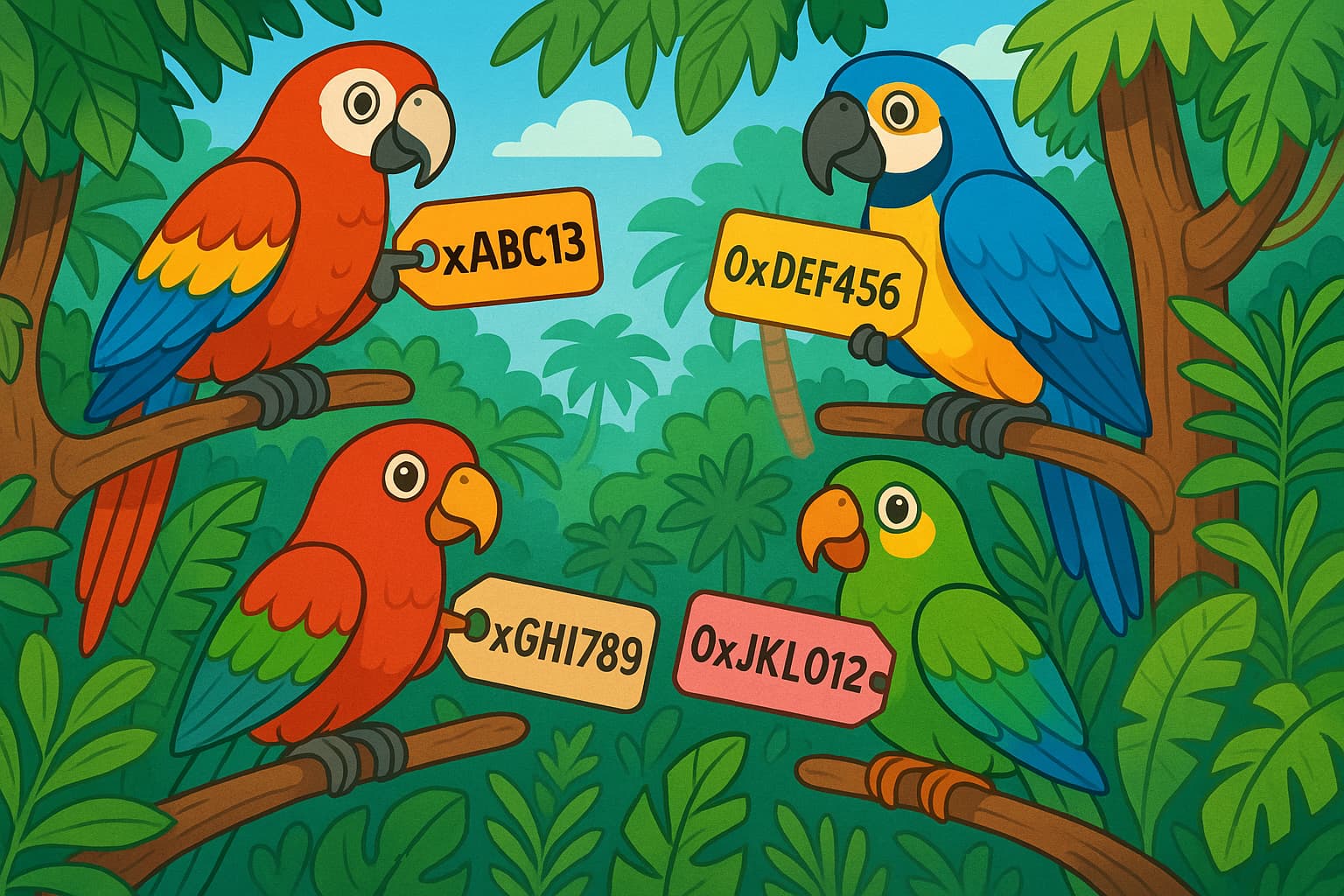
Juggling long, complex hexadecimal addresses for different Starknet dApps can be a hassle, leading to stress and potential mistakes with every transaction. This guide offers a straightforward way to set up human-readable names, cutting down on errors and making your on-chain life easier. Follow these steps to create a simpler way to manage your identity in the Starknet ecosystem.
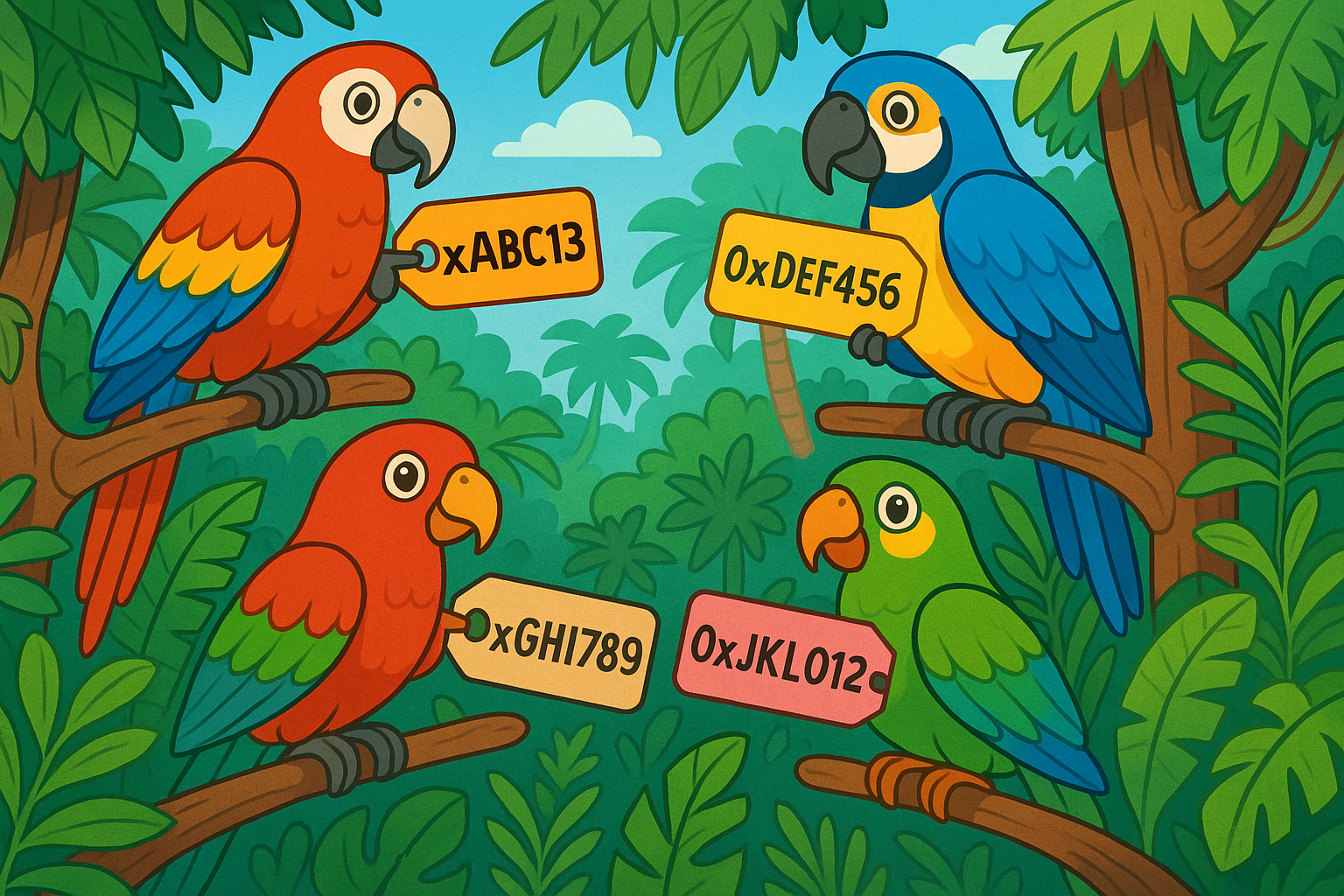 A simpler on-chain identity makes interacting with the blockchain much less complicated.
Step 1: See Where You Stand
Before you make changes, it helps to identify your current pain points.
- How many Starknet addresses are you currently using?
- Think about how often you've made copy-paste errors.
- Estimate the time you spend double-checking long addresses for each transaction.
- List the dApps you use most frequently.
If you're handling more than three addresses or find yourself spending more than 30 seconds checking them per transaction, it's time for Step 2.
Step 2: Get a Human-Readable Name
Replace those long strings of characters with a name you can actually remember.
- Go to the Starknet ID platform.
- Search for an available name that fits your identity or brand.
- Pick a name that is:
- Under 15 characters
- Easy to spell
- Memorable for frequent use
- Follow the steps to complete your registration.
- Link the name to your main Starknet address.
Check that it's working by sending a small test transaction using your new name instead of the long address.
 Readable names take the guesswork out of crypto transactions.
Step 3: Unify Your Identity Across dApps
Create a consistent presence across the Starknet ecosystem.
- In each dApp you use, update your profile to show your new Starknet ID.
- Test if your name works in at least three different applications.
- Ask a friend to try sending a transaction to your name to confirm it works.
- Keep a list of which dApps already support Starknet ID.
If a dApp doesn't recognize your new name yet, just use your original long address as a backup. More dApps will add support over time.
Step 4: Take Advantage of Account Abstraction
Make your account more flexible by using these features.
- Enable multi-token fee payment if your wallet supports it.
- Set up backup verification methods through account abstraction.
- Configure transaction batching for operations you do often.
- Test your payment flexibility by using different tokens for gas fees.
Account abstraction lets you pay for transactions with different tokens or even have a third party pay. This means you don't always have to keep a specific gas token in your wallet.
Step 5: Create a Safety Checklist
Build systematic checks to avoid costly errors.
- Always double-check that your name points to the right address before sending a large amount.
- Keep a secure, backup list of your full hexadecimal addresses for important accounts.
- When sending to a new address for the first time, always send a small test amount first.
- For high-value transfers, get in the habit of double-checking everything.
A good rule of thumb: if a transaction is over $100, take extra time to verify all the details.
Enjoy Your New, Simpler Identity
By using a readable name and the features of account abstraction, you've made managing your Starknet presence much simpler. This setup helps prevent mistakes without sacrificing the security of the blockchain.
Use your Starknet ID to prove your identity on-chain and say goodbye to the hassle of long, complicated addresses. The simple, decentralized identity you've just created will grow with you as you do more on-chain, all while making things less of a headache.